Working Groups
AFSA’s working groups are spaces for collaboration, learning and action across Africa’s agroecology movement. They bring together farmers, Indigenous peoples, civil society, researchers and advocates to address shared challenges and advance food sovereignty from the ground up. Rooted in lived experience and guided by agroecological values, each working group connects local practice with continental advocacy, ensuring that community knowledge shapes policy, campaigns and pathways for transformation.
AFSA’s working groups are spaces for collaboration, learning and action across Africa’s agroecology movement. They bring together farmers, Indigenous peoples, civil society, researchers and advocates to address shared challenges and advance food sovereignty from the ground up. Rooted in lived experience and guided by agroecological values, each working group connects local practice with continental advocacy, ensuring that community knowledge shapes policy, campaigns and pathways for transformation.
Climate
Transitioning to Agroecology for Climate Action
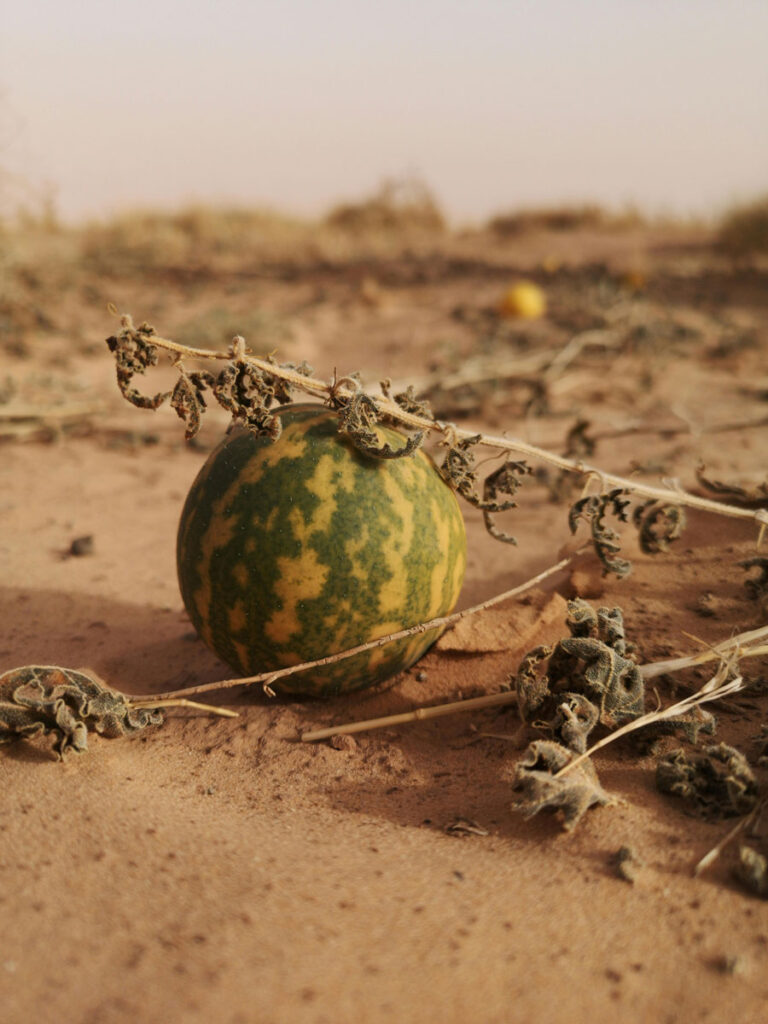
The Climate Change and Agroecology Working Group (CCWG) positions agroecology as Africa’s frontline response to the climate crisis. It brings together farmers, researchers, activists and policymakers to promote community-led solutions that revive ecosystems, protect biodiversity and strengthen resilience to climate shocks. The group advocates for integrating agroecology into national and regional climate policies, ensuring African perspectives shape the global climate agenda.
CCWG leads AFSA’s continental Agroecology for Climate Action Campaign, a powerful movement uniting voices across Africa to demonstrate how agroecology cools the planet while feeding communities. Through advocacy, storytelling and evidence-building, the group empowers smallholder farmers and Indigenous peoples to lead adaptation efforts. Its work bridges science and tradition, proving that the path to climate resilience lies in the wisdom of Africa’s people and the strength of its lands.
Climate
Transitioning to Agroecology for Climate Action
The Climate Change and Agroecology Working Group (CCWG) positions agroecology as Africa’s frontline response to the climate crisis. It brings together farmers, researchers, activists and policymakers to promote community-led solutions that revive ecosystems, protect biodiversity and strengthen resilience to climate shocks. The group advocates for integrating agroecology into national and regional climate policies, ensuring African perspectives shape the global climate agenda.
CCWG leads AFSA’s continental Agroecology for Climate Action Campaign, a powerful movement uniting voices across Africa to demonstrate how agroecology cools the planet while feeding communities. Through advocacy, storytelling and evidence-building, the group empowers smallholder farmers and Indigenous peoples to lead adaptation efforts. Its work bridges science and tradition, proving that the path to climate resilience lies in the wisdom of Africa’s people and the strength of its lands.
Citizens
Mobilising Citizens’ Support for Sustainable Food Systems
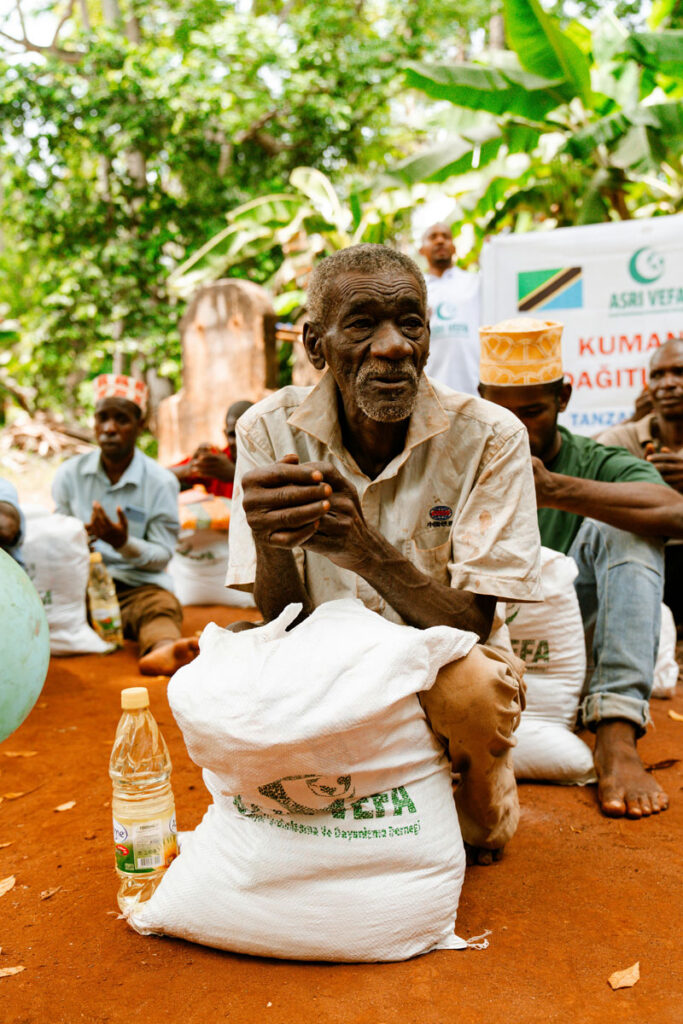
The Citizens’ Working Group on Agroecology (CWGA) is a strategic initiative within AFSA dedicated to transforming Africa’s food systems by empowering citizens to reclaim control over what they eat and how it is produced. It promotes access to agroecologically grown, nutritious and culturally rooted African food while connecting producers, consumers and markets across the value chain. Through knowledge generation, consumer mobilisation and policy advocacy, CWGA ensures that citizens lead the shift toward sustainable, healthy and equitable food systems grounded in African identity and sovereignty.
CWGA leads AFSA’s flagship My Food Is African Campaign, celebrating African cuisines, traditions and indigenous crops while challenging imported diets and corporate food models. It also runs the Cross-Border Trade for Agroecology and Food Sovereignty initiative to strengthen regional food systems through fair and inclusive trade for smallholder farmers and agroecological entrepreneurs. Its Territorial Markets for Sustainable Livelihoods program promotes community-driven markets that protect local economies, ensure fair prices and celebrate biodiversity, while the Congo Basin Biodiversity, Climate and Agroecology Initiative (COBCAI) empowers smallholders, women, youth and indigenous peoples to adopt agroecological practices that restore ecological balance and improve livelihoods.
Citizens
Mobilising Citizens’ Support for Sustainable Food Systems
The Citizens’ Working Group on Agroecology (CWGA) is a strategic initiative within AFSA dedicated to transforming Africa’s food systems by empowering citizens to reclaim control over what they eat and how it is produced. It promotes access to agroecologically grown, nutritious and culturally rooted African food while connecting producers, consumers and markets across the value chain. Through knowledge generation, consumer mobilisation and policy advocacy, CWGA ensures that citizens lead the shift toward sustainable, healthy and equitable food systems grounded in African identity and sovereignty.
CWGA leads AFSA’s flagship My Food Is African Campaign, celebrating African cuisines, traditions and indigenous crops while challenging imported diets and corporate food models. It also runs the Cross-Border Trade for Agroecology and Food Sovereignty initiative to strengthen regional food systems through fair and inclusive trade for smallholder farmers and agroecological entrepreneurs. Its Territorial Markets for Sustainable Livelihoods program promotes community-driven markets that protect local economies, ensure fair prices and celebrate biodiversity, while the Congo Basin Biodiversity, Climate and Agroecology Initiative (COBCAI) empowers smallholders, women, youth and indigenous peoples to adopt agroecological practices that restore ecological balance and improve livelihoods.
Land
Strengthening Community Voices for Land Rights and Healthy Soils
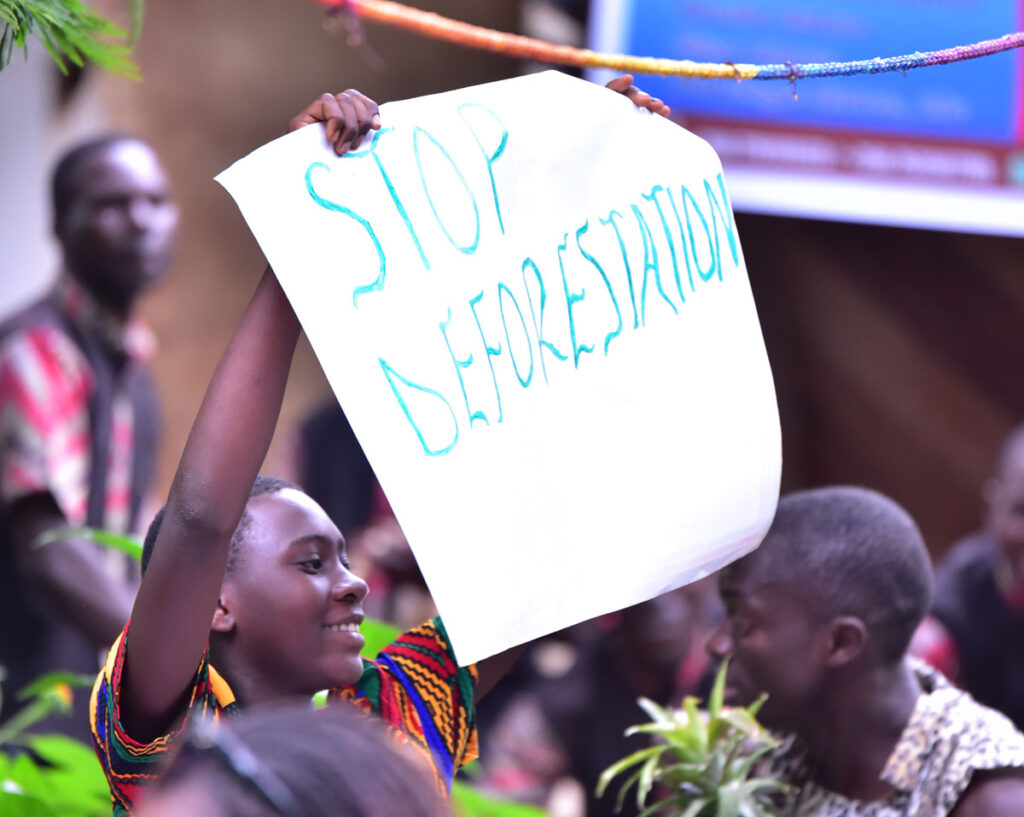
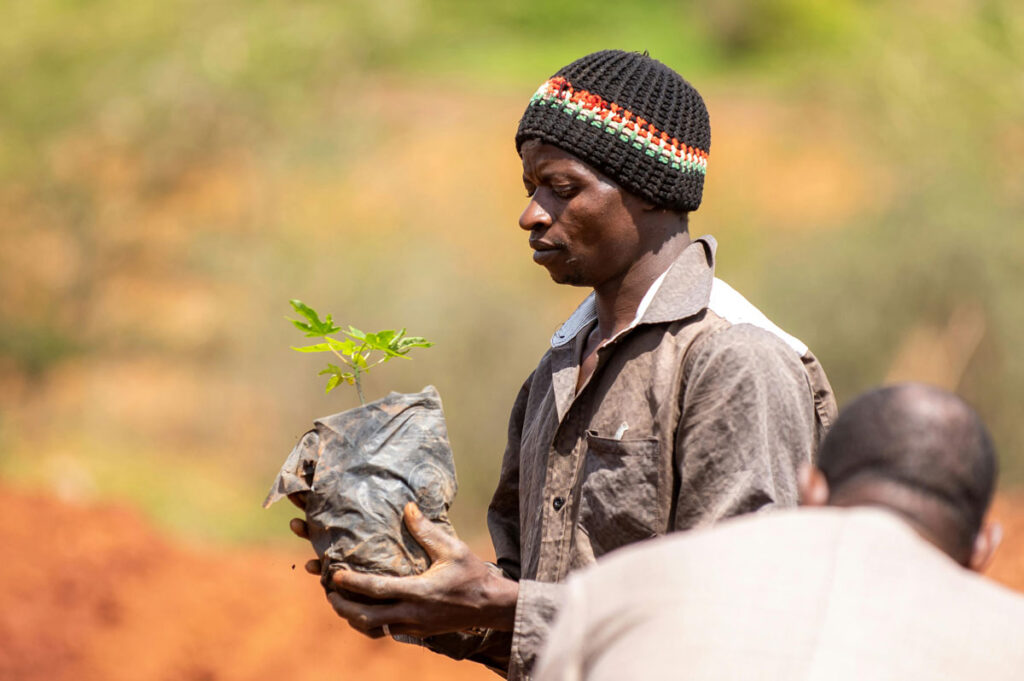
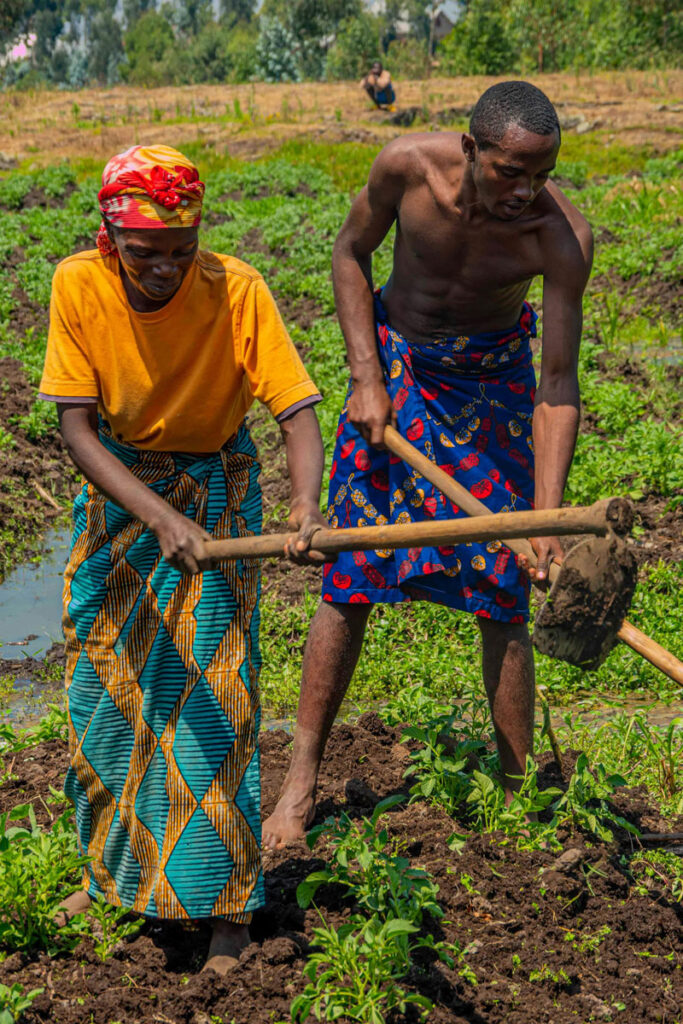
The Land and Agroecology Working Group tackles the twin challenges of land justice and soil restoration as cornerstones of Africa’s food sovereignty. The group works to secure community land rights, prevent land grabbing and promote sustainable land management that regenerates ecosystems and sustains livelihoods. By building capacity, generating evidence and advocating for inclusive policies, the group ensures equitable access to land, especially for women, youth and Indigenous communities.
The group anchors AFSA’s Defend Our Land, Restore Our Soils Campaign, which connects the struggle for land rights with the fight for soil health and ecological integrity. Through the Healthy Soils, Healthy Food initiative, it advances agroecological practices that rebuild fertility and restore degraded landscapes. By linking local struggles to continental advocacy, this working group empowers communities to reclaim stewardship over their lands and secure a just, living relationship with the Earth.
Land
Strengthening Community Voices for Land Rights and Healthy Soils
The Land and Agroecology Working Group tackles the twin challenges of land justice and soil restoration as cornerstones of Africa’s food sovereignty. The group works to secure community land rights, prevent land grabbing and promote sustainable land management that regenerates ecosystems and sustains livelihoods. By building capacity, generating evidence and advocating for inclusive policies, the group ensures equitable access to land, especially for women, youth and Indigenous communities.
The group anchors AFSA’s Defend Our Land, Restore Our Soils Campaign, which connects the struggle for land rights with the fight for soil health and ecological integrity. Through the Healthy Soils, Healthy Food initiative, it advances agroecological practices that rebuild fertility and restore degraded landscapes. By linking local struggles to continental advocacy, this working group empowers communities to reclaim stewardship over their lands and secure a just, living relationship with the Earth.
Seed
Strengthening Farmer-Managed Seed Systems
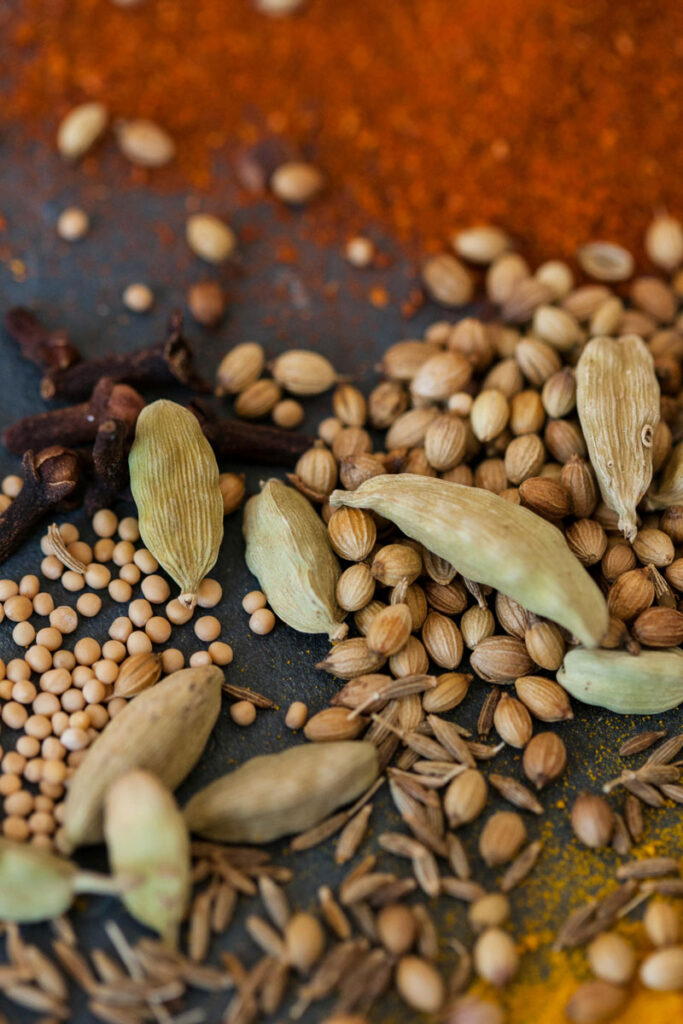
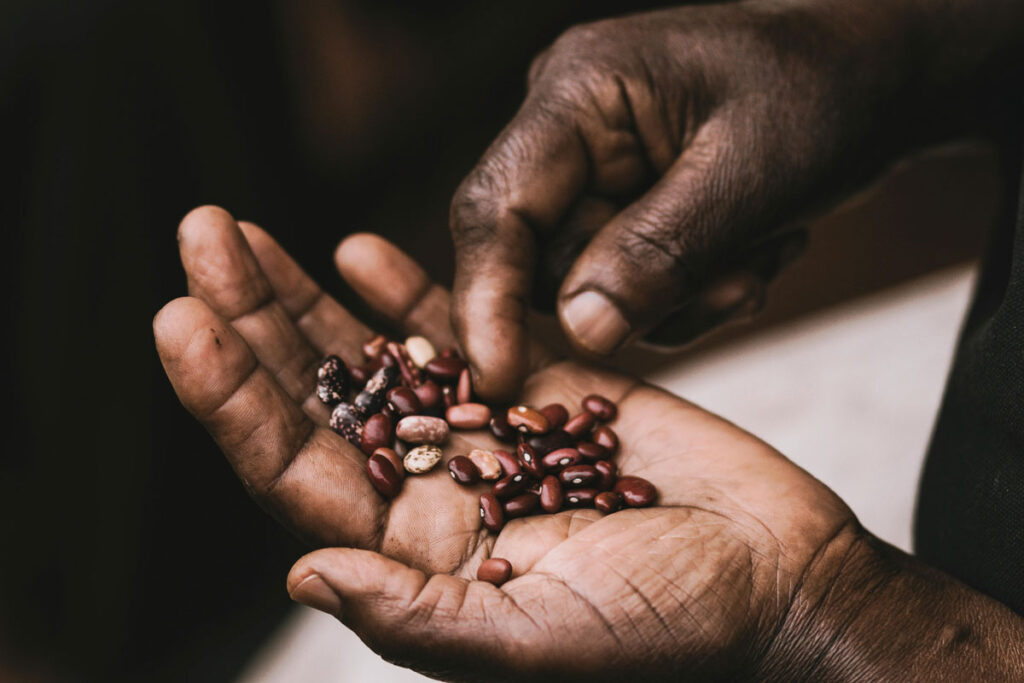
The AFSA Seed Working Group unites farmers, activists and organisations from across the continent to strengthen Africa’s seed sovereignty. Opposed to GMOs and restrictive seed laws such as UPOV, the group defends farmers’ rights to save, exchange and sell indigenous and traditional seeds, ensuring that diversity and culture remain at the heart of African agriculture. It influences seed policies at national, regional and continental levels and promotes community-led seed conservation and exchange as key pillars of resilient food systems.
This working group leads AFSA’s pan-African Seed Is Life Campaign, a continent-wide movement celebrating Africa’s seed heritage and defending it from corporate capture. Through seed festivals, policy dialogues and farmer-to-farmer exchanges, the campaign showcases the power of local seeds to feed nations and sustain biodiversity. The group’s work reinforces the message that true food sovereignty begins with free, diverse and farmer-managed seeds – the living foundation of Africa’s future.
Seed
Strengthening Farmer-Managed Seed Systems
The AFSA Seed Working Group unites farmers, activists and organisations from across the continent to strengthen Africa’s seed sovereignty. Opposed to GMOs and restrictive seed laws such as UPOV, the group defends farmers’ rights to save, exchange and sell indigenous and traditional seeds, ensuring that diversity and culture remain at the heart of African agriculture. It influences seed policies at national, regional and continental levels and promotes community-led seed conservation and exchange as key pillars of resilient food systems.
This working group leads AFSA’s pan-African Seed Is Life Campaign, a continent-wide movement celebrating Africa’s seed heritage and defending it from corporate capture. Through seed festivals, policy dialogues and farmer-to-farmer exchanges, the campaign showcases the power of local seeds to feed nations and sustain biodiversity. The group’s work reinforces the message that true food sovereignty begins with free, diverse and farmer-managed seeds – the living foundation of Africa’s future.
Youth
Empowering the Next Generation of Leaders
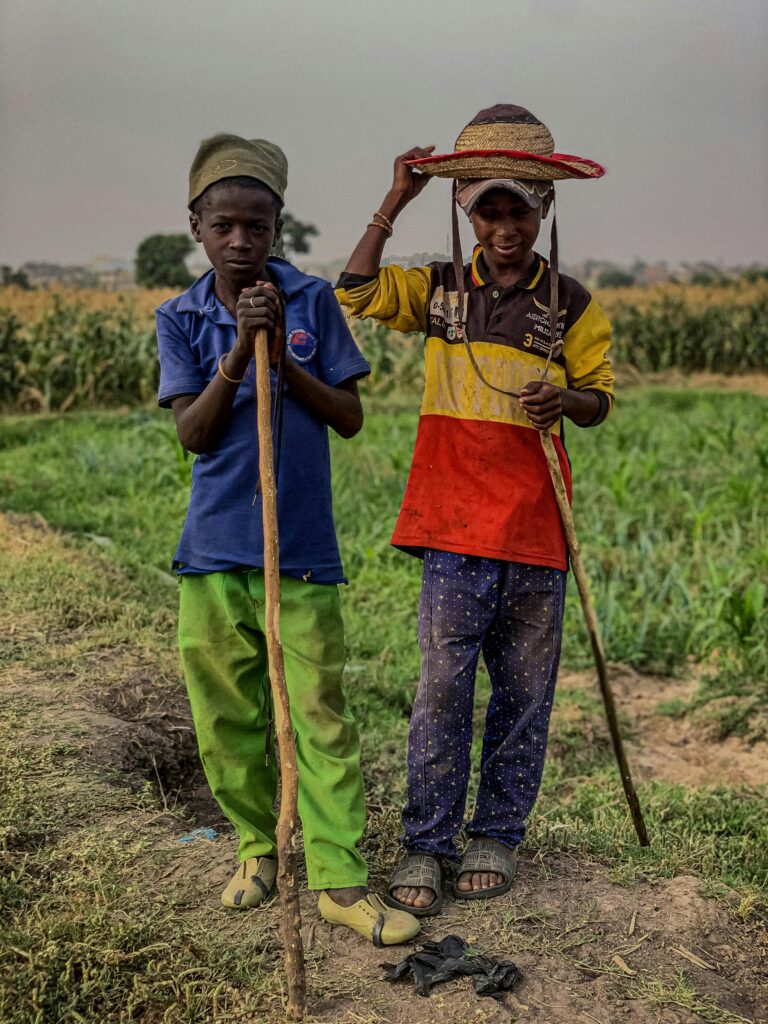
Africa’s food future depends on its youth. This working group builds leadership through mentorships, learning journeys, innovation challenges and digital tools that help young farmers and advocates flourish. We open doors to policy spaces, networks and markets, and we celebrate youth-led enterprises that prove agroecology can thrive. The result is a new generation that is skilled, inspired and ready to lead transformative change.
Youth
Empowering the Next Generation of Leaders
Africa’s food future depends on its youth. This working group builds leadership through mentorships, learning journeys, innovation challenges and digital tools that help young farmers and advocates flourish. We open doors to policy spaces, networks and markets, and we celebrate youth-led enterprises that prove agroecology can thrive. The result is a new generation that is skilled, inspired and ready to lead transformative change.