
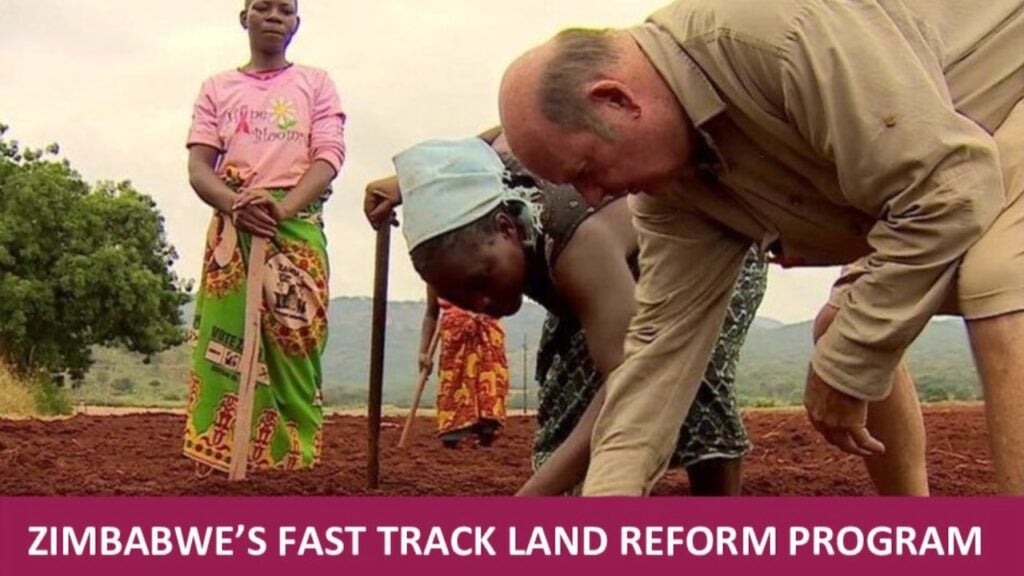
Zimbabwe’s Fast Track Land Reform Program (FTLRP), launched in 2000, sought to correct colonial-era land inequalities by redistributing land from approximately 4,500 white commercial farmers — who held over 70% of arable land — to millions of landless Black Zimbabweans. While rooted in legitimate grievances, the program’s hasty and often violent implementation triggered severe economic collapse, social disruption, and environmental degradation.
This case study examines the FTLRP’s historical context, motivations, and wide-ranging impacts, drawing critical lessons for future land reform efforts across Africa and beyond.

