A common continental voice from farmers, pastoralists, women, youth, Indigenous Peoples, fisherfolk and faith leaders in more than 30 countries, charting the road to COP31 and COP32
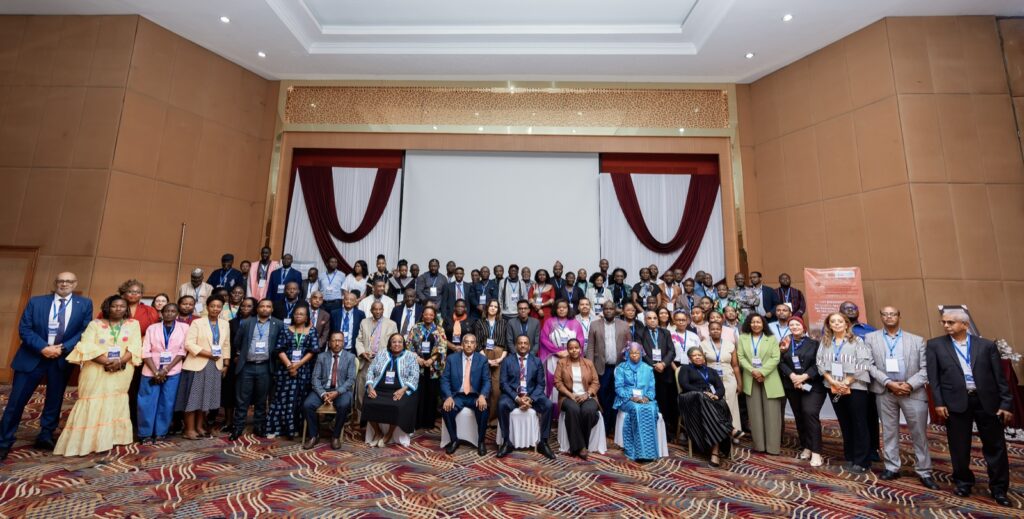
ADDIS ABABA, ETHIOPIA, September 9, 2026 — African civil society organisations and movements from more than 30 countries today issued the Addis Ababa Declaration of an African Civil Society Position on Climate Action in Food Systems and Agriculture, closing a three-day Continental Convening hosted by the Alliance for Food Sovereignty in Africa (AFSA) in partnership with the Ethiopian Ministry of Planning and Development. Representing farmers’ and pastoralists’ organisations, women’s, children’s and youth networks, people living with special needs, faith-based organisations, Indigenous Peoples, fisherfolk, researchers and academia, alongside government and inter-governmental representatives, delegates affirmed a shared conviction: Africa’s climate future cannot be separated from its food future, and decisions about that future must be shaped by the people who produce, trade, prepare and consume food.
The Declaration names four persistent gaps that must define the road to COP31 and COP32: between ambition and implementation, between adaptation needs and available finance, between pledged and delivered climate finance, and between global rules and the daily realities of people on the front line. Smallholder farmers, delegates were clear, do not experience climate change as an “implementation gap” or a negotiating acronym, they experience crop loss, water stress, declining soil fertility, livestock stress, rising debt, hunger and falling income. The Declaration places agroecology, as a science, practice and social movement, at the centre of Africa’s own pathway to resilience and food sovereignty.
Civil society sets out six key demands for COP31 and COP32:
- Put adaptation, agriculture and food security at the centre of implementation, treating adaptation as a political priority equal to mitigation and renewing the Sharm el-Sheikh Joint Work on Agriculture and Food Security to move from knowledge exchange to delivery.
- Make climate finance accessible, grant-based and locally accountable, closing the gap behind the USD 300 billion annual finance goal set at COP29, with expanded direct-access windows for smallholder farmers, pastoralists, fisherfolk, and women’s and youth enterprises.
- Fund African-led agroecology and seed sovereignty, through public investment in community seed banks, soil and ecosystem restoration, water harvesting, Indigenous foods and knowledge, and local markets.
- Support a people-centred just transition that is bottom-up and farmer-centred, protecting land and seed rights and rejecting prescriptive pathways that shift costs onto smallholder farmers, pastoralists and fisherfolk.
- Make nutrition, health, gender and pastoralism visible in climate implementation, measuring resilience by dietary quality, health and dignity, not yields alone, with explicit attention to pastoral land tenure and rangeland protection, and to women’s access to land, finance and decision-making.
- Build an African accountability architecture from Addis to communities, aligning national climate and development plans and budgets, and publishing regular reports and data on climate finance promised, approved, disbursed and delivered.
As a movement, African civil society commits to coordinate around a shared set of demands, connect community realities to national, continental and UNFCCC processes, create space for the meaningful participation of frontline communities, mobilise public and grant-based finance for African-led solutions, and communicate publicly on promises, finance and outcomes.
“Africa’s food systems cannot remain in the shadows of global climate action, they are central to our adaptation, livelihoods, economies, health, cultures, biodiversity, sovereignty and future,” the Declaration states. Its test for both COPs is not the number of declarations adopted, but whether a farmer can withstand the next failed rainy season, whether a pastoralist can access water and grazing without losing a livelihood, and whether a child can grow up nourished rather than stunted by drought.
Civil society calls on African governments, Parties to the UNFCCC, the COP31 and COP32 Presidencies, the African Union, the African Group of Negotiators, climate funds, development partners, research institutions and responsible private actors to work with African civil society and frontline communities to deliver a decisive shift from promises to implementation.
“Africa must not wait for its food and climate future to be designed elsewhere. Our evidence must influence decisions, our solutions must be recognised, and climate finance must reach the people and places where adaptation is already happening.”
The full text of the Addis Ababa Declaration of the African CSOs Position on Climate Action in Food Systems and Agriculture Towards COP31 and COP32 is available to download at:
About AFSA
The Alliance for Food Sovereignty in Africa (AFSA) is the largest civil society organisation network on the continent, representing major social movements working on food sovereignty, agroecology and climate justice across Africa.
###