
The Alliance for Food Sovereignty in Africa (AFSA) is pleased to release its 2025–2026 Annual Report, documenting a year of collective action to advance agroecology, defend farmers’ rights and strengthen community-led food systems. Covering 1 July 2025 to 30 June 2026, the report marks the first year of implementation of AFSA’s 2025–2029 Strategic Framework. It brings together achievements, experiences and lessons from an alliance of 48 member organisations, showing how local knowledge and community leadership inform action from farmers’ fields to national, regional and global policy spaces.
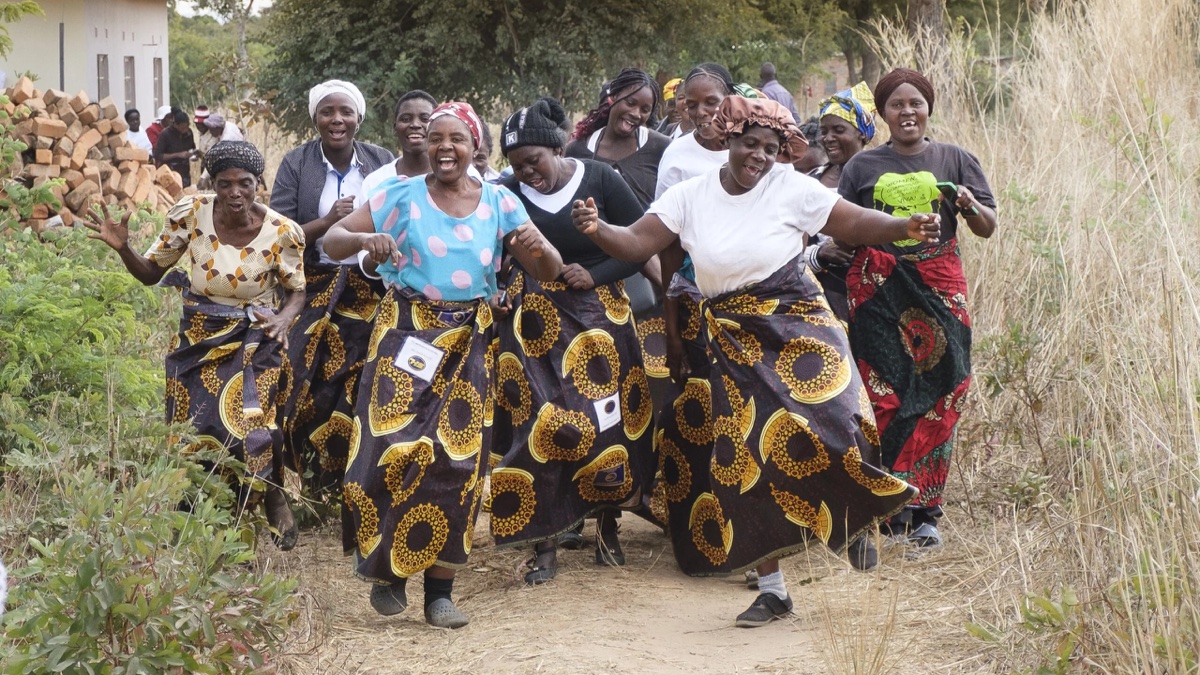
The report highlights efforts to protect farmers’ rights to save and exchange seeds, advance agroecology in climate policy, celebrate African food cultures and strengthen local economies. Key developments include the Seed Is Life and My Food Is African campaigns, Healthy Soil Healthy Food work across six countries, and support for 222 agroecological enterprises and 21 territorial markets. Member stories bring these achievements to life: young farmers and women restoring land and water systems in Zambia, communities expanding farmer-led agroecology across West Africa, and farmers in Malawi rebuilding soil fertility and improving maize harvests through locally produced organic manure. Together, these experiences demonstrate the practical value of African-led solutions for livelihoods, resilience and food sovereignty.
Reflecting on the communities behind this work, AFSA Board Chairperson Rev. Dr. Tolbert Thomas Jallah Jr. writes: “Their experiences remind us that food sovereignty is not simply a policy aspiration; it is lived every day through the stewardship of land, seeds, biodiversity, livelihoods and human dignity.” General Coordinator Dr. Million Belay sets out the ambition guiding the alliance: “Our task is not only to respond to crisis, but to build power, alternatives and hope.”
Alongside these achievements, the report shares the challenges, institutional developments and lessons shaping AFSA’s next steps, including the need to translate policy commitments into implementation and sustain investment in community-led change. AFSA thanks its members, communities, partners, donors and allies for their commitment and invites policymakers, researchers, civil society and the wider public to explore and share the report.