A new Barefoot Guide from the Alliance for Food Sovereignty in Africa (AFSA) documents a growing continental movement — from community markets and school gardens to national parliaments and global policy forums.
“Food is never just food. It carries memory, power, culture, and politics.”
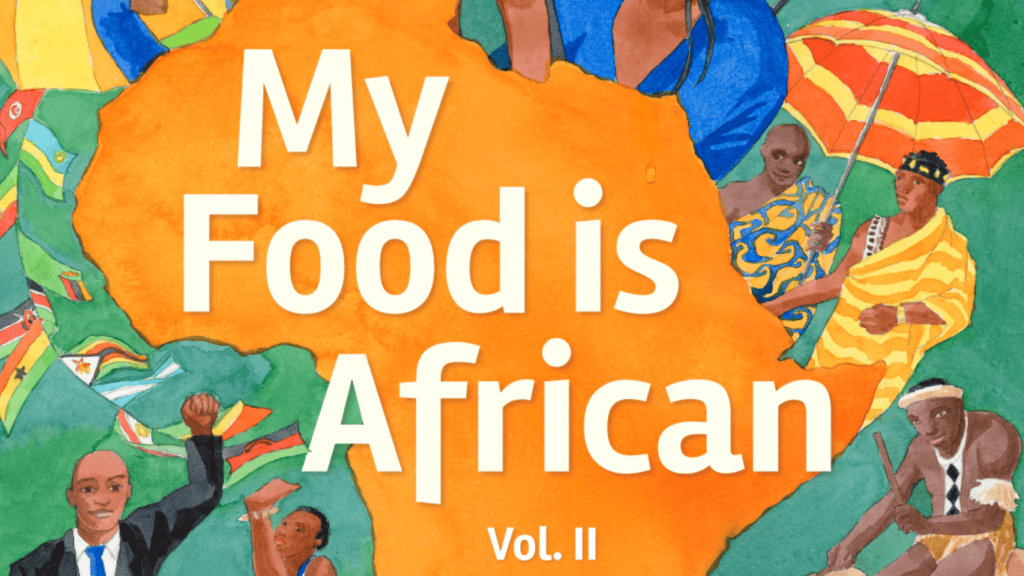
AFSA is proud to officially launch My Food is African: Volume 2 — How Citizens Are Reclaiming African Food Systems. Published in 2026 with support from SIDA under the Transforming African Food Systems to Sustainability (TAFS) Project, this Barefoot Guide is a landmark publication — collective in authorship, continental in scope, and uncompromising in its argument.
Written by over 35 individuals — farmers, journalists, researchers, market traders, chefs, activists, and civil society advocates from across 50 African countries — Volume 2 picks up where Volume 1 left off. While the first guide helped individuals and families understand how to eat more healthily, emphasising traditional foods, dishes, and diets, this second volume asks the harder, structural questions: Who controls what Africans eat? Who benefits? And what happens when ordinary people decide to change that?
A Movement Born from Four Words
The story starts in May 2022 in Entebbe, Uganda, when a young Zambian activist named Juliet Nangamba said four words — “My food is African” — that cut through years of jargon and unlocked something many people already knew in their bodies but had been trained to doubt. Launched formally in Yaoundé in November 2022, the My Food is African campaign has since grown across 11 countries, with plans to go continent-wide in 2026. This guide is its living record.
What the Book Takes On
Across seven chapters, the guide maps the real forces shaping African food — and the real people fighting back.
The ultra-processed food crisis. Ultra-processed foods are flooding African communities, driving rising rates of diabetes, high blood pressure, and obesity, backed by corporate marketing budgets that dwarf anything civil society can match. The book examines this crisis honestly — including the difficult conversations with policymakers who are not villains but are, as one Ugandan permanent secretary put it, “trapped in a system they didn’t create.”
From practice to policy. In Nigeria, sustained advocacy brought corporate seed legislation under public scrutiny. In Senegal, an agroecological farmers’ network secured land for organic farming through local government engagement. In Kenya, Zambia, DR Congo, Cameroon, and Zimbabwe, the book follows an AFSA team across ten countries documenting where the campaign is producing real, measurable change — in schools, parliaments, markets, and kitchens.
From consumers to food citizens. In the DRC, twenty trained journalists produced hundreds of radio programmes reaching an estimated two million people, challenging corporate food narratives and reshaping media coverage. In Zambia, community radio turned ten free weekly slots into farmer networks and peer learning groups. In Cameroon, the Je Mange Camerounais movement made traditional food culturally trendy through restaurants, social media, and celebration.
African markets are our markets. From Mbare in Harare to Thiaroye in Dakar to Jedaida in Tunisia, the book makes a powerful case for Africa’s territorial markets — the informal, community-rooted spaces that feed the majority of African people — as the backbone of food sovereignty, not problems to be modernised away. These markets maintain food diversity, sustain women’s economic power, and underpin agroecological food systems. They deserve protection and investment, not criminalisation.
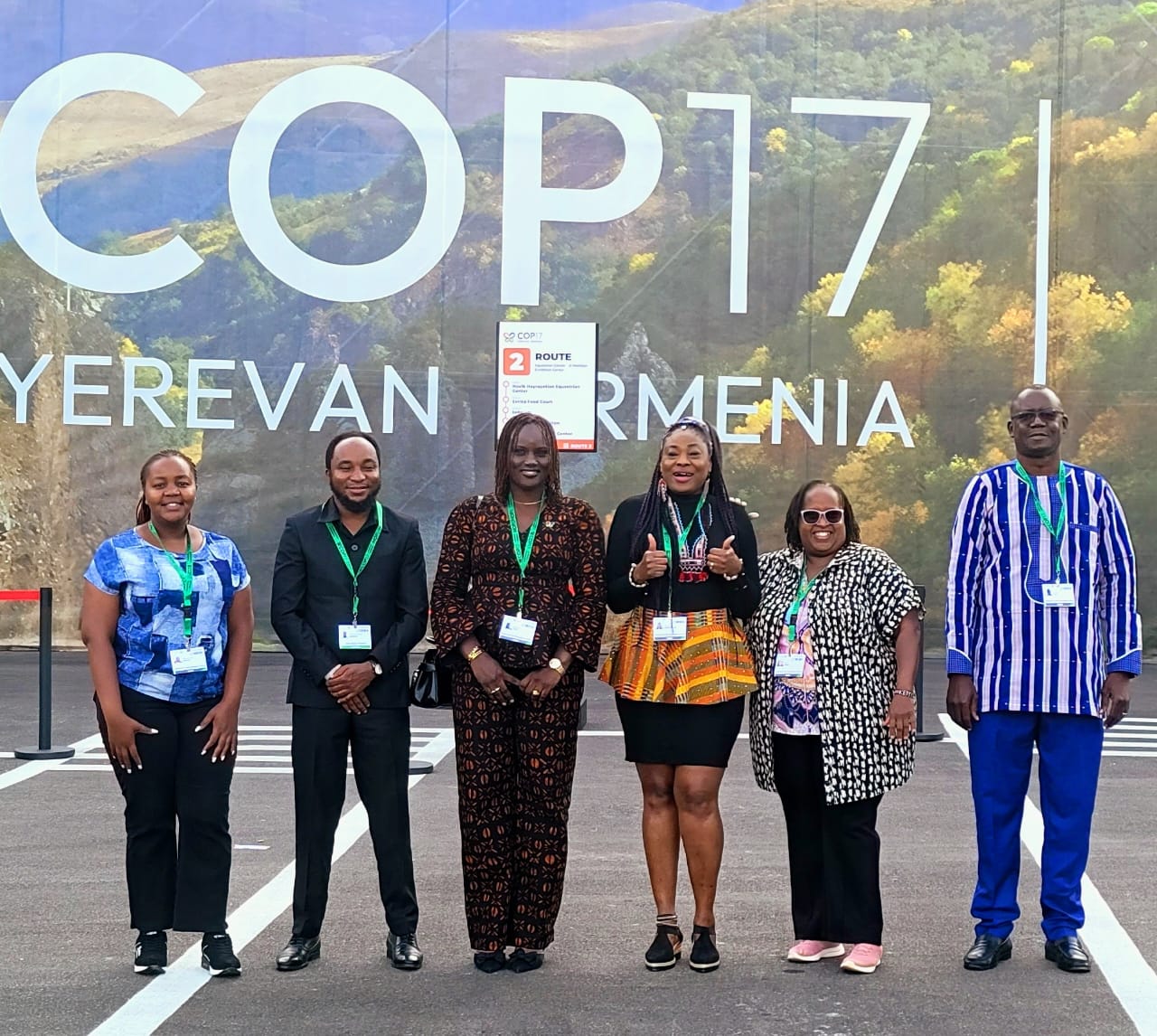
Advocacy in global spaces. The guide examines how African civil society is building capacity to engage the African Union, COP climate conferences, and the UN Committee on World Food Security — on African terms.
A Vision for 2045 — and Beyond
The book closes with a grounded, honest imagining of what African food systems could look like by 2045, structured around eleven pillars of food sovereignty in practice. It celebrates real victories and names real defeats. Its conclusion is neither triumphant nor defeated: “The question now isn’t whether food sovereignty is possible. We’ve demonstrated it is. The question is how fast we can scale.”
My Food is African: Volume 2 is available in English and French (Je Mange Africain: Volume 2). It is a guide for organising, advocacy, public education, and movement-building — for citizens, researchers, policymakers, educators, journalists, chefs, and everyone committed to African food sovereignty.
“When we say My Food is African, we’re reclaiming power over our bodies, our communities, and our future. This is about who we choose to be as a continent.”
📥 Download the guide:
My Food is African: Volume 2 — How Citizens Are Reclaiming African Food Systems.
#MyFoodIsAfrican #FoodSovereignty #Agroecology