
Issued: 7 August 2025
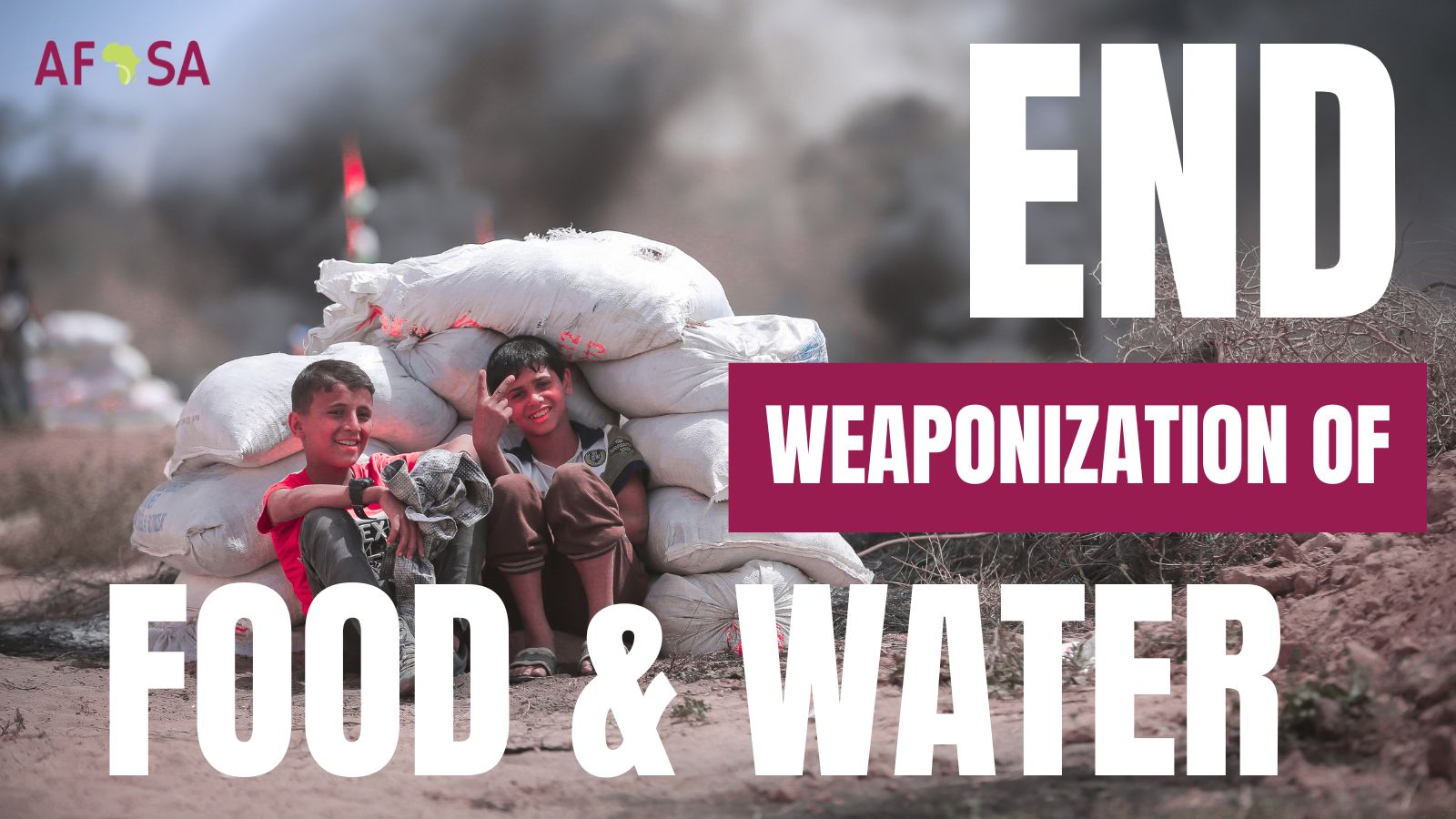
We, the undersigned members of the Alliance for Food Sovereignty in Africa (AFSA), stand in unwavering solidarity with the people of Palestine and denounce the deliberate use of food and water as weapons of war in Gaza. This is not only a humanitarian crisis, it is a crime against humanity, a breach of international law, and a grave violation of the fundamental human right to food.
Since October 2023, Israel has increasingly used starvation as a method of genocide. This has been recognized by leading human rights organizations in Israel and affirmed by the International Court of Justice and the UN Special Rapporteur on the Right to Food, who called this crisis “the largest and fastest starvation campaign in modern history.”
The impact is catastrophic:
- Over 470,000 people face famine-like conditions in Gaza, with 90,000 women and children requiring immediate nutrition treatment.
- More than 20,000 children have been admitted for acute malnutrition since April 2025; many have died due to starvation and lack of access to humanitarian aid.
- Water systems have collapsed: over 97% of water in Gaza is unfit for human consumption, with Israeli-owned pipelines operating far below capacity.
- Humanitarian aid has been intentionally obstructed; over 1,000 Palestinians have been killed while trying to access food between May and July 2025.
- Food infrastructure has been systematically destroyed: farmland, seed banks, fishing ports, and markets are being bombed, bulldozed, or militarized.
This is not an isolated tragedy, it is the continuation of decades of occupation, apartheid, and economic strangulation. Local food systems are collapsing under military assault and intentional disruption. In July 2025, Israeli forces destroyed the seed multiplication unit of the Union of Agricultural Work Committees (UAWC) in the West Bank, a direct attack on Palestinian food sovereignty.
Governments and corporations across the world are not neutral. Through direct material support, investments, trade deals, and silence, they are complicit in this genocide. Global agribusinesses and logistics firms continue to profit from land dispossession and mislabeled agricultural exports grown on occupied territory. Financial institutions—especially in Europe—are deeply entangled in funding the occupation and blockade.
Justice demands more than humanitarian appeals. It demands political courage and structural change.
We call for:
- An immediate and permanent ceasefire, and the end of Israel’s military assault on Palestinian territories;
- An end to the use of food and water as tools of war and genocide in Gaza and other conflict zones including Sudan, South Sudan, and Yemen;
- The dismantling of political and economic systems that enable and profit from the occupation;
- Legal accountability for the crimes committed—including those already cited by the International Criminal Court against Israeli leaders;
- The protection and restoration of local food systems, seed sovereignty, and water access in Gaza and the West Bank;
- The immediate entry and distribution of humanitarian aid without obstruction;
- Support for the long-term food sovereignty of the Palestinian people—the right to grow, access, and control their own food on their own land;
- Participation of African governments in multilateral mechanisms like the Hague Group to uphold international law and solidarity with the oppressed.
We, as African food sovereignty movements, farmers, fisherfolk, Indigenous peoples, pastoralists, consumers, researchers, and allies, cannot and will not remain silent. Our struggle is interconnected. The same forces destroying food systems in Gaza are at work across Africa, in land grabs, ocean grabs, criminalization of seed saving, and market colonization.
We say: Stop the starvation. End the occupation. Food is a right, not a weapon.
Signed by the members of the Alliance for Food Sovereignty in Africa (AFSA)
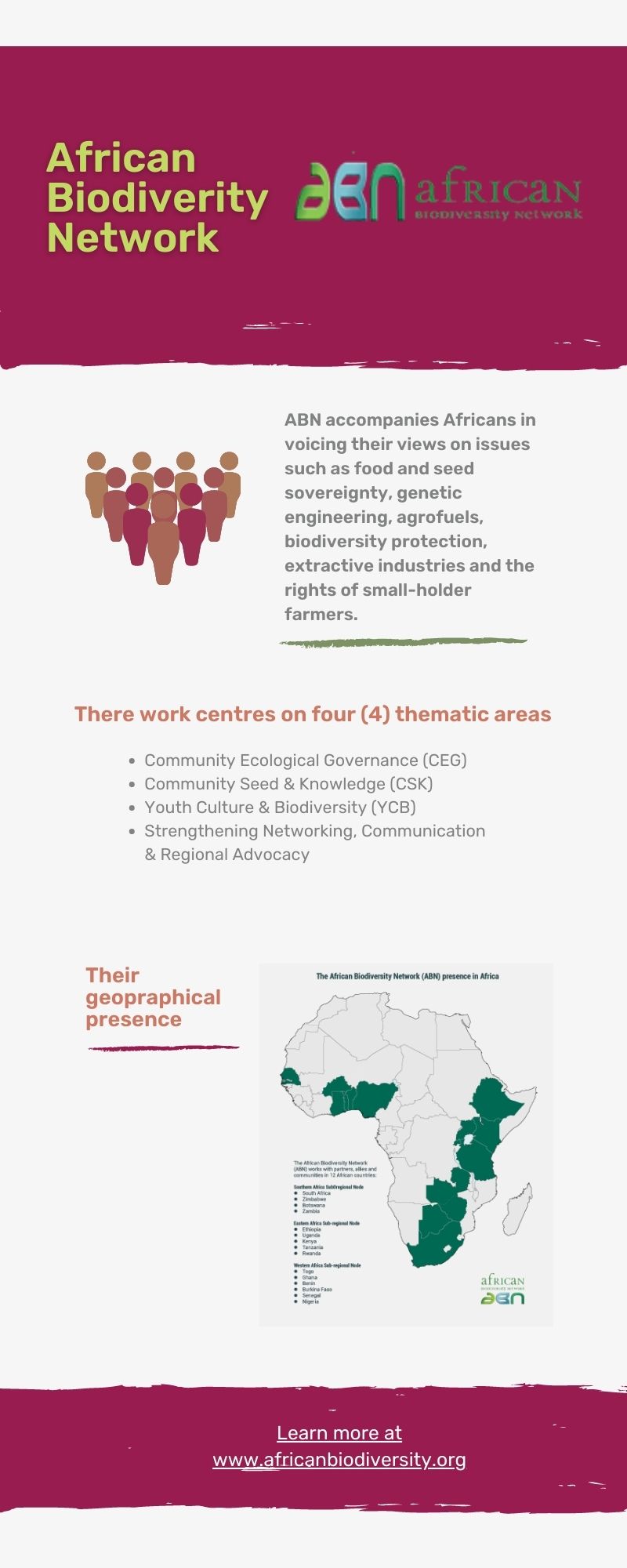
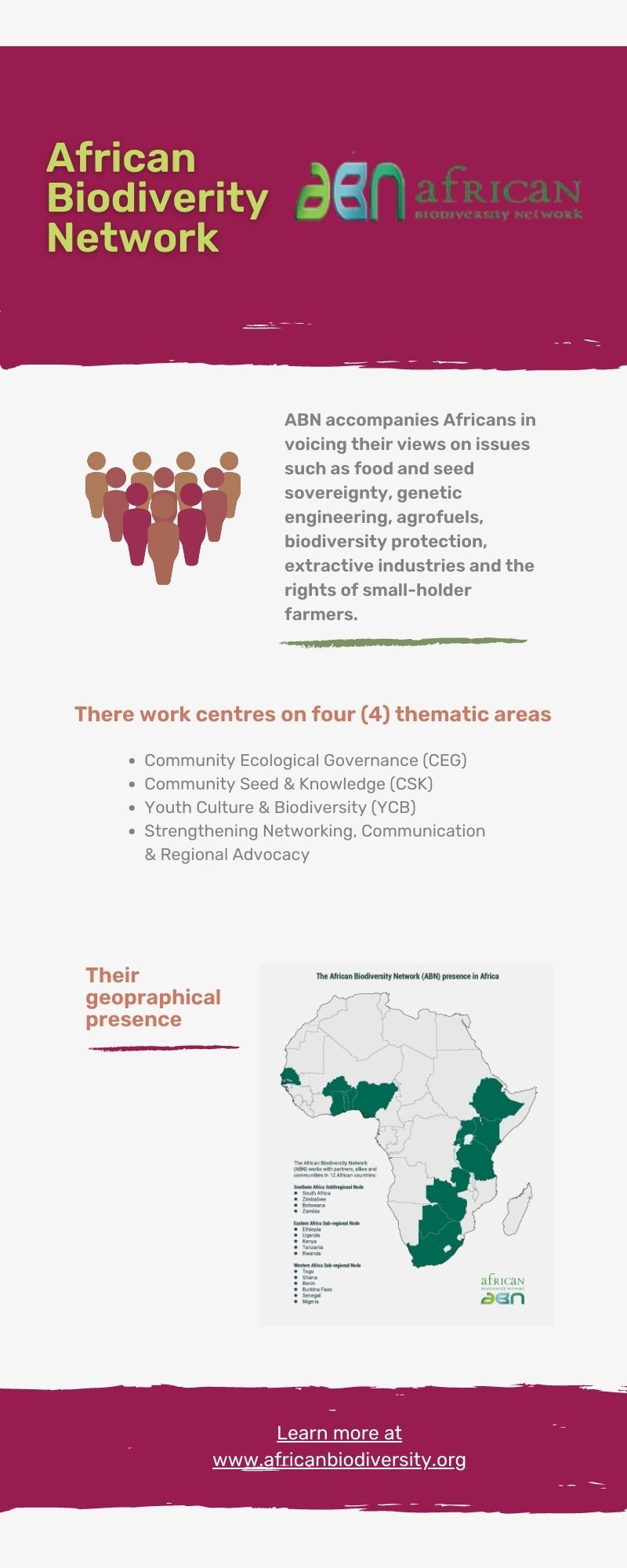
- African Biodiversity Network (ABN)
- African Centre for Biodiversity (ACB)
- Association Ouest Africaine pour le Développement de la Pêche Artisanale (ADEPA)
- Biodiversity and Biosafety Coalition of Kenya (BIBA)
- Civil Society Agrarian Partnership (CSAP)
- Coalition pour la Protection du Patrimoine Génétique Africain (COPAGEN)
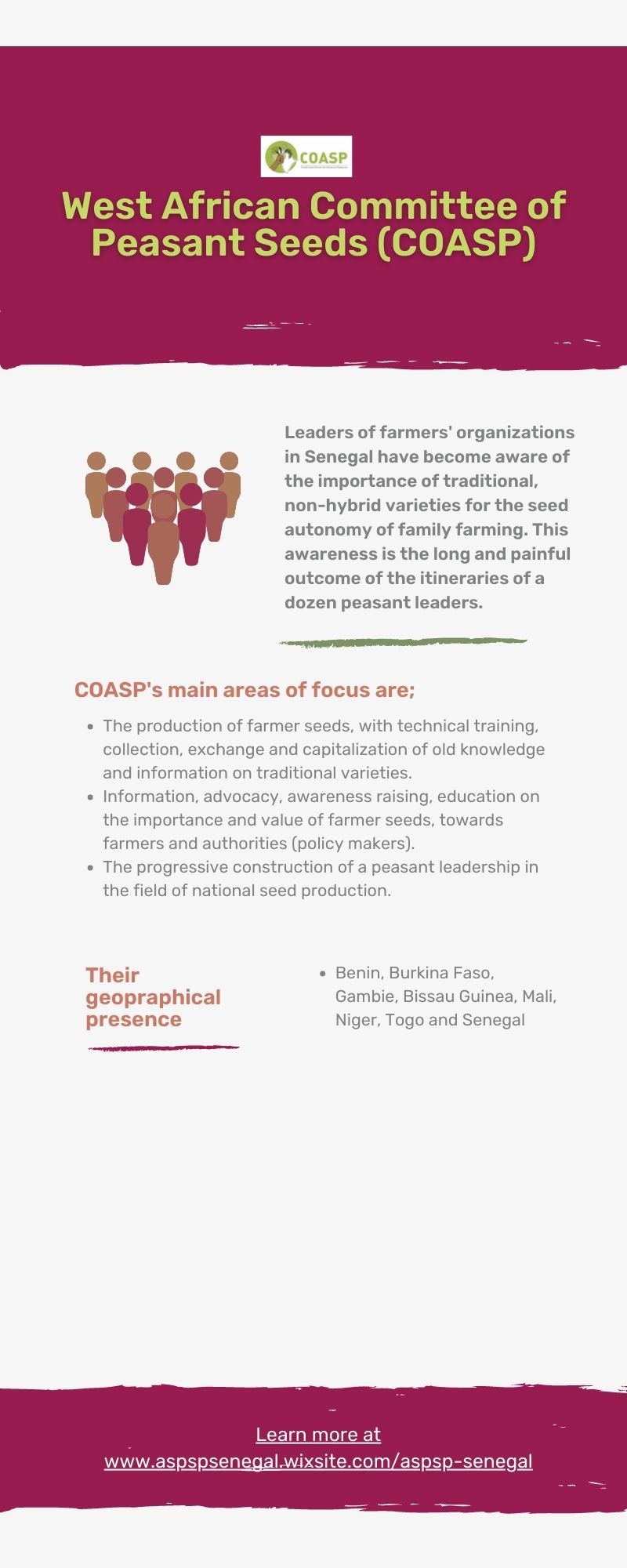
- Comité Ouest Africain de Semences Paysannes (COASP)
- Comparing and Supporting Endogenous Development (COMPAS Africa)
- Consortium for Climate Change Ethiopia (CCC-E)
- Dynamics for Agroecological Transition in Senegal (DyTAES)
- Eastern and Southern Africa Pastoralist Network (ESAPN)
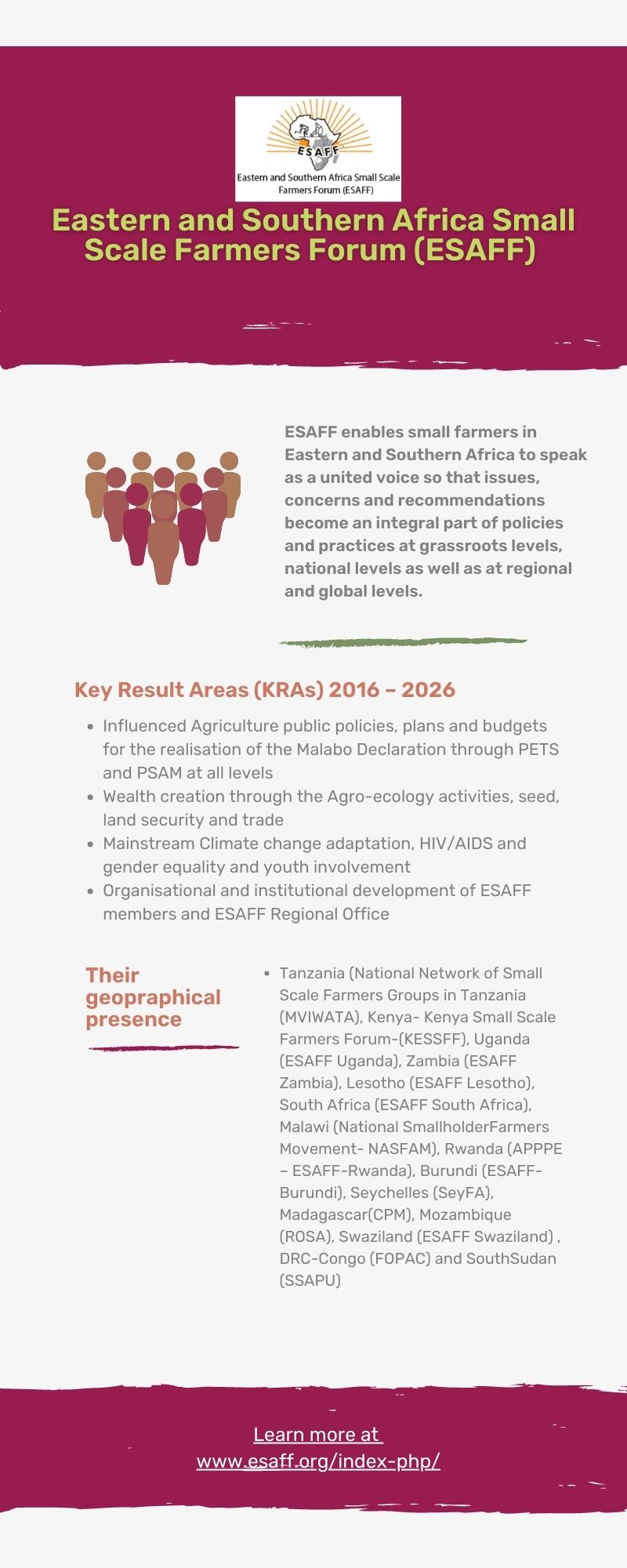
- Eastern and Southern Africa Small Scale Farmers Forum (ESAFF)
- Faith & Justice Network of the Mano River Basin (FJN)
- Farmers Union Network Liberia (FUNL)
- Fédération Agroécologique du Bénin (FAEB)
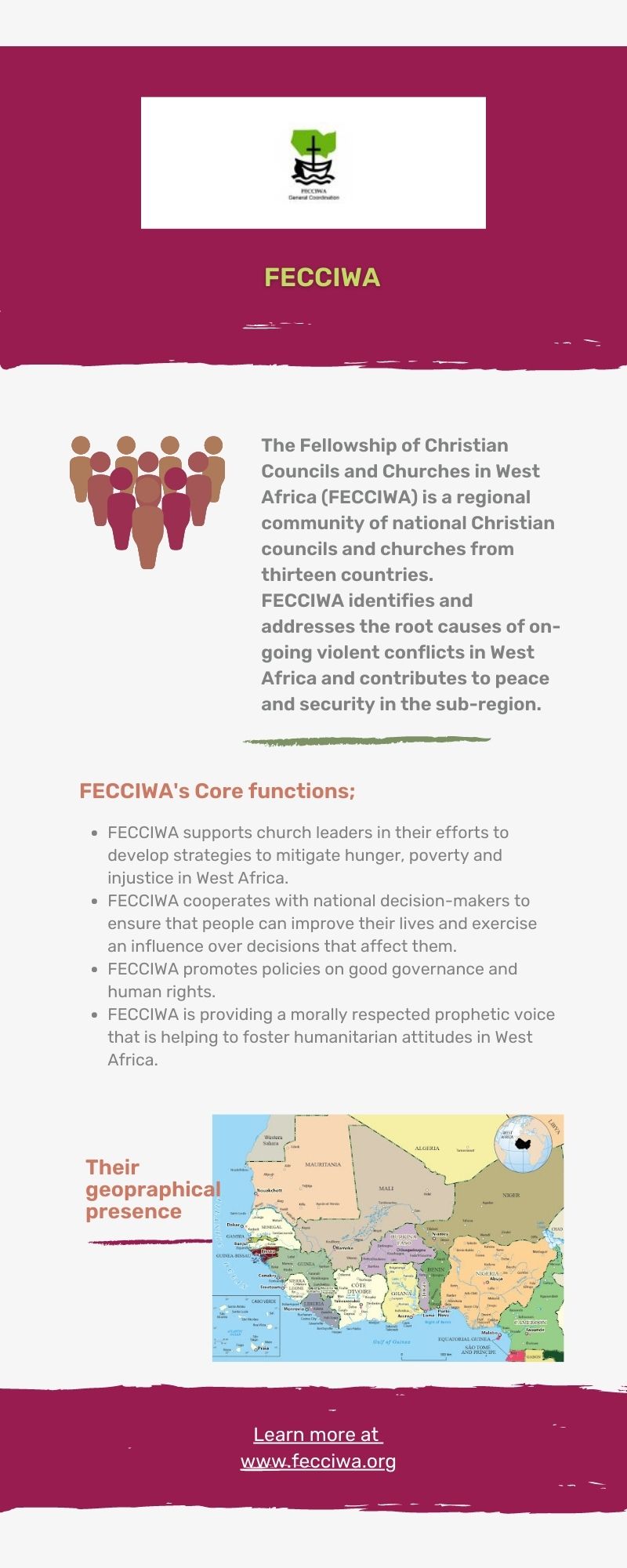
- Fellowship of Christian Councils and Churches in West Africa (FECCIWA)
- Friends of the Earth Africa (FoEA)
- Groundswell West Africa (GWA)
- Health of Mother Earth Foundation (HOMEF)
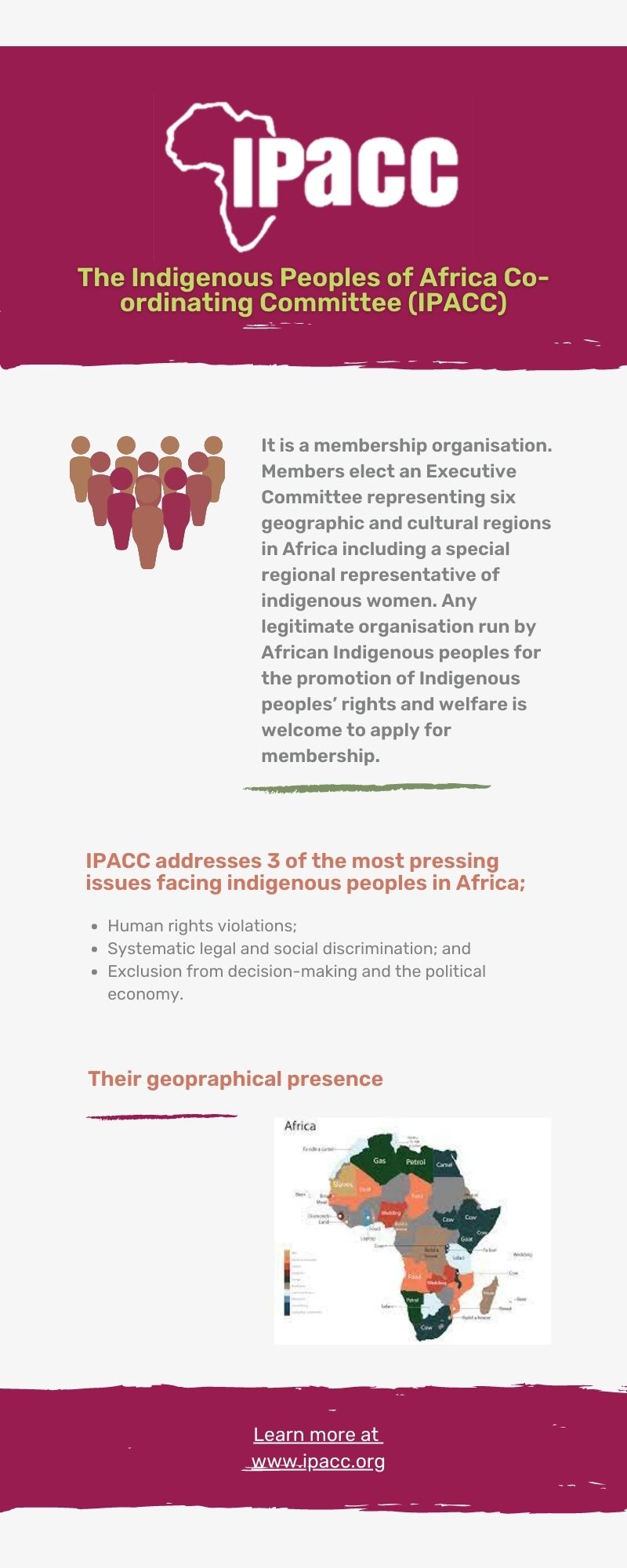
- Indigenous Peoples of Africa Coordinating Committee (IPACC)
- Institut Africain pour le Développement Economique et Social (INADES-Formation)
- Institut Panafricain pour la Citoyenneté, les Consommateurs et le Développement (CICODEV Africa)
- Jeunes Volontaires pour l’Environnement (JVE International)
- La Via Campesina Africa (LVC Africa)
- National Alliance for Agroecology the Gambia (NAAG)
- North African Food Sovereignty Network (NAFSN)
- Nous Sommes La Solution (NSS)
- Participatory Ecological Land Use Management (PELUM) Association
- Plate-forme Régionale des Organisations Paysannes d’Afrique Centrale (PROPAC)
- Population Health and Environment Ethiopia Consortium
- Regional Schools and Colleges Rermaculture Programme (ReSCOPE)
- Réseau Africain pour le Droit à l’Alimentation (RAPDA –Togo)
- Réseau des Acteurs du Développement Durable (RADD)
- Ripple Effect
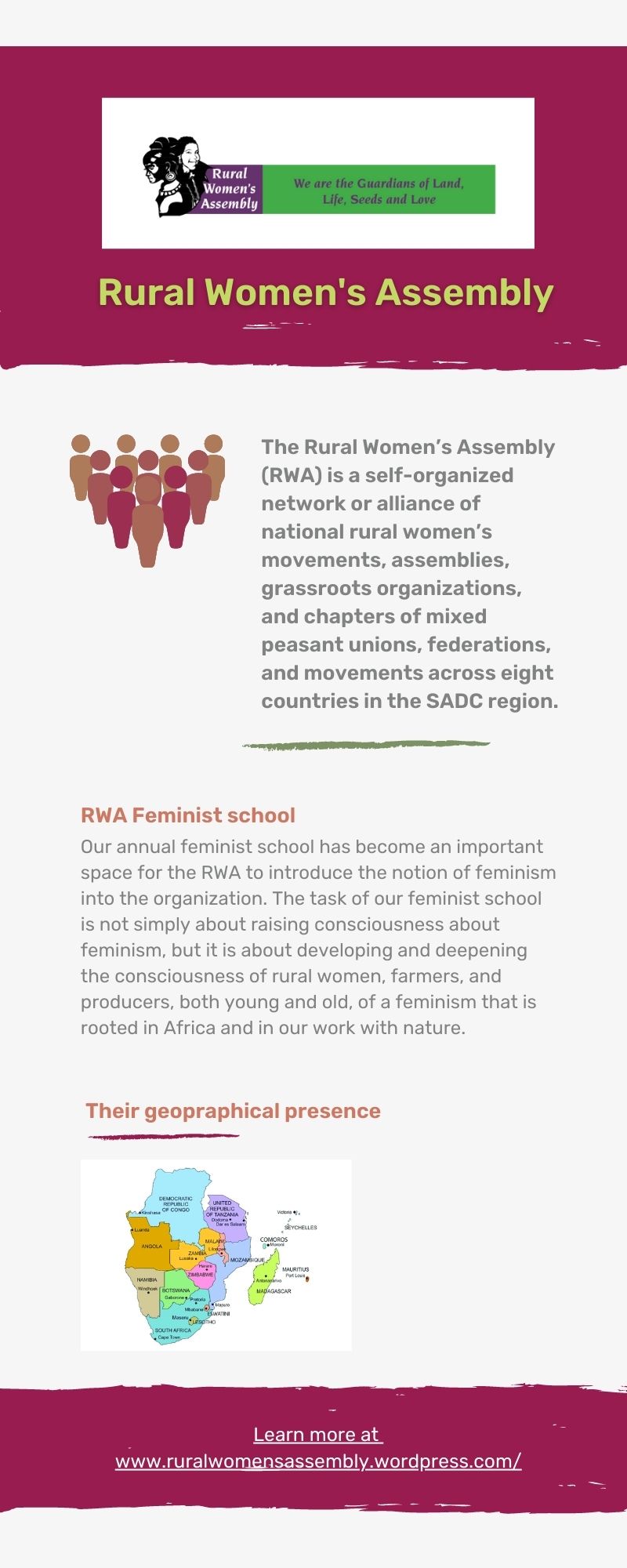
- Rural Women’s Assembly (RWA)
- Rwanda Climate Change and Development Network (RCCDN)
- Seed Savers Network, Kenya (SSNK)
- Shirikisho La Vyama Vya Wakulima Tanzania (SHIWAKUTA)
- Societe Civile Environnementale Et Agro Rurale Du Congo, (SOCEARUCO)
- Southern African Faith Communities’ Environment Institute (SAFCEI)
- Tanzania Alliance for Biodiversity (TABIO)
- Union Africaine des Consommateurs (UAC)
- Union of Ethiopian Women and Children Association (UEWCA)
- World Neighbors
- Zambia Alliance for Agroecology and Biodiversity (ZAAB)
The Alliance for Food Sovereignty in Africa is a continental coalition of civil society organisations advancing food sovereignty and agroecology across the African continent. It comprises African food producer networks, indigenous people’s organisations, faith-based organisations, women and youth groups, and consumer movements. AFSA is a ‘network of networks’ with 45 member organisations active in 50 African countries, reaching around 200 million individuals.
Web: www.afsafrica.org Email: afsa@afsafrica.org